Portraits
The museum's portrait wing — guided by our resident curator-on-payroll, Salvador Dalí. A first short fiction following him through the show.
Same art director, off the clock — AI experiments, an imaginary museum and films made for the love of it.
An invented museum that doesn't exist anywhere but in machines: its plan, its galleries, its programming. A space to host the shows nobody would let me curate in real life — and to put on payroll a few imaginary employees, starting with one Salvador Dalí. The building is real enough to wander through: momoamuseum.org.
The Iceberg holds the permanent collection: three floors above the Park, nine below it, and the Cave at the very bottom. This is the site's actual interactive map, embedded live.
// drag to orbit the Iceberg · pins open the collection ↗
The MOMoA takes Malraux's museum without walls at its word — then gives it its walls back. An intimate museum built by one person, for one person: an immense park at the heart of a dense grey megalopolis, thirteen floors of permanent collection inside the Iceberg, real opening hours, a ticket desk, security gates, rooms under renovation. That administrative banality is the point — it's what makes the fantastic believable. The Mona Lisa stays small here.
And after Hockney: no hierarchy. One continuous history of images, where a Lascaux fresco, a Caravaggio and a Miyazaki frame hang at the same rank — works shown by confrontation, ancestors facing their heirs.
The museum's portrait wing — guided by our resident curator-on-payroll, Salvador Dalí. A first short fiction following him through the show.
A mock TV show where two language models debate live on set — talking heads, debate club, but the pundits are chatbots.
When LLMs really took off, I had an idea I couldn't shake:
what would happen if I sat the two best models of the moment —
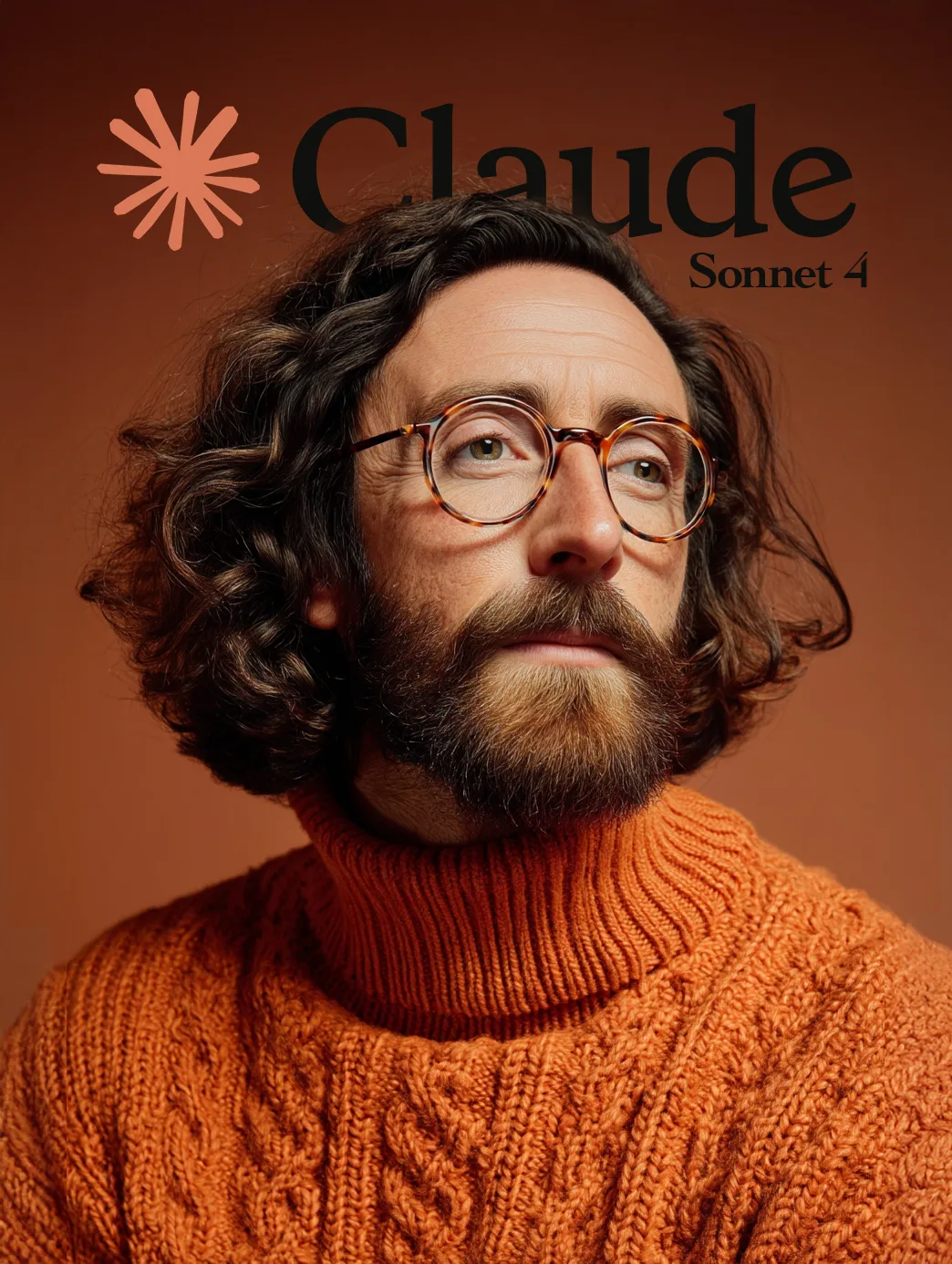
Claude Sonnet 4.0 and ChatGPT o3 — across a
table and let them actually talk to each other?
No fancy API. No agent framework. I literally opened two chat
windows side by side and copy-pasted each reply into the other,
relay-style, on a single topic: machine welfare and
consciousness. The video above is an abridged TV-show
version of what came out — generated entirely with Veo 3
from the transcript.
The full conversation is available just below — a strange,
sometimes uncomfortable, often beautiful exchange between
two minds that may or may not be minds.

A faux behind-the-scenes documentary about a film crew — except the crew is made of forest animals, gathered around their solemn task.
A faux-documentary retelling of the Bayeux Tapestry, treated as if Pixar had produced it in 1066. Full-AI storyboard, characters, and narration.
A tribute to — and a détournement of — Degas' Little Dancer Aged Fourteen. What happens when the most provocative sculpture of the 19th century is handed to a machine?
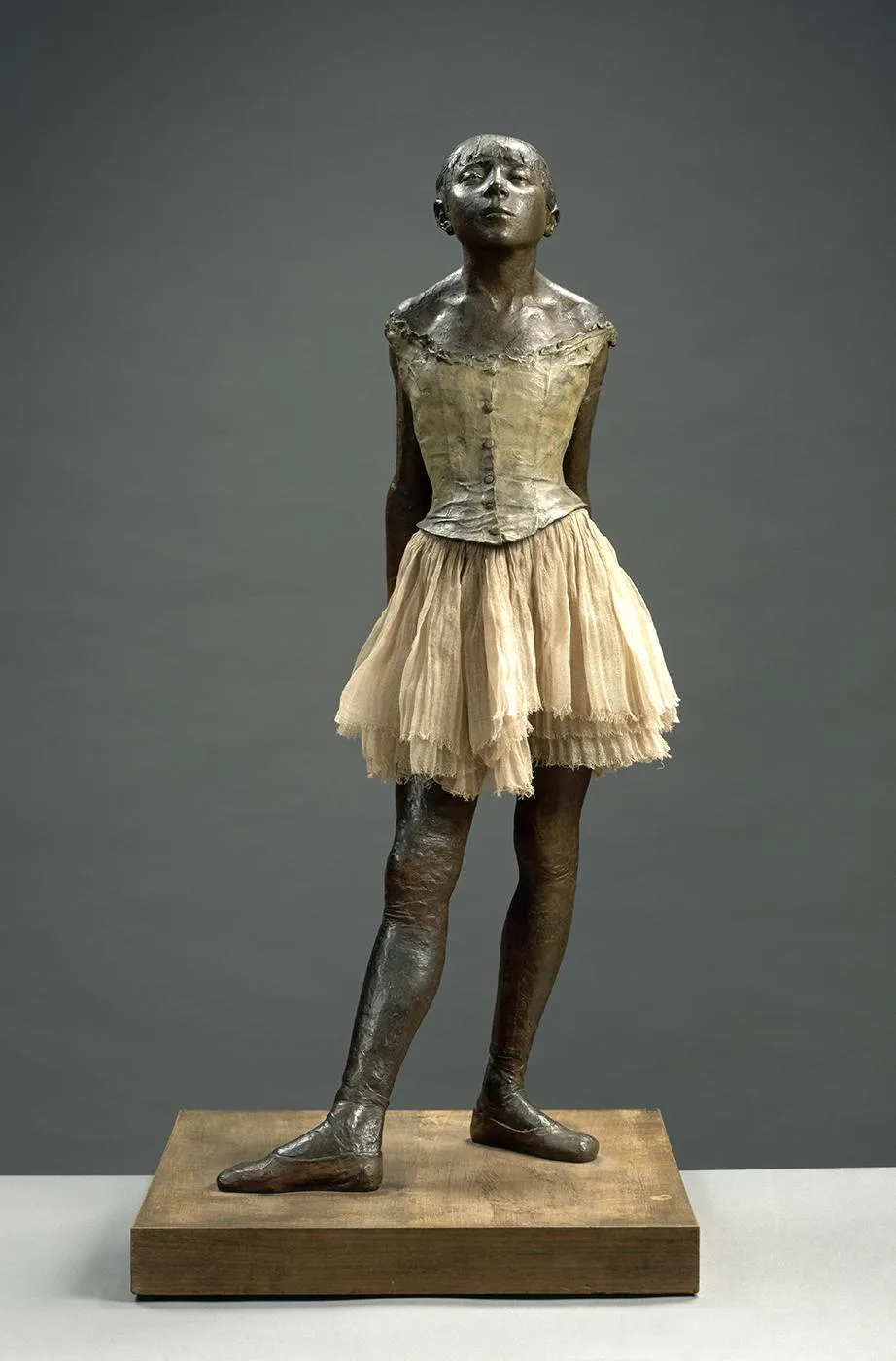
When Degas unveiled her in 1881, the Parisian bourgeoisie were
scandalized. A statuette mixing real fabric with wax —
unthinkable. A fourteen-year-old working-class ballet rat treated
with the gravity of a goddess — worse. Critics called her
"primitive", "simian", "degenerate".
She is, quietly, the first mixed-media sculpture of modern art,
the first ready-made thirty years before Duchamp, and a
political gesture disguised as a ballet figure. Everything that
came after — Duchamp, Rauschenberg, Koons — walks through the
door she kicked open.
An earlier sketch from the same experiment. The sculpture has stepped off its pedestal entirely — floating through a blue room it was never meant to enter.
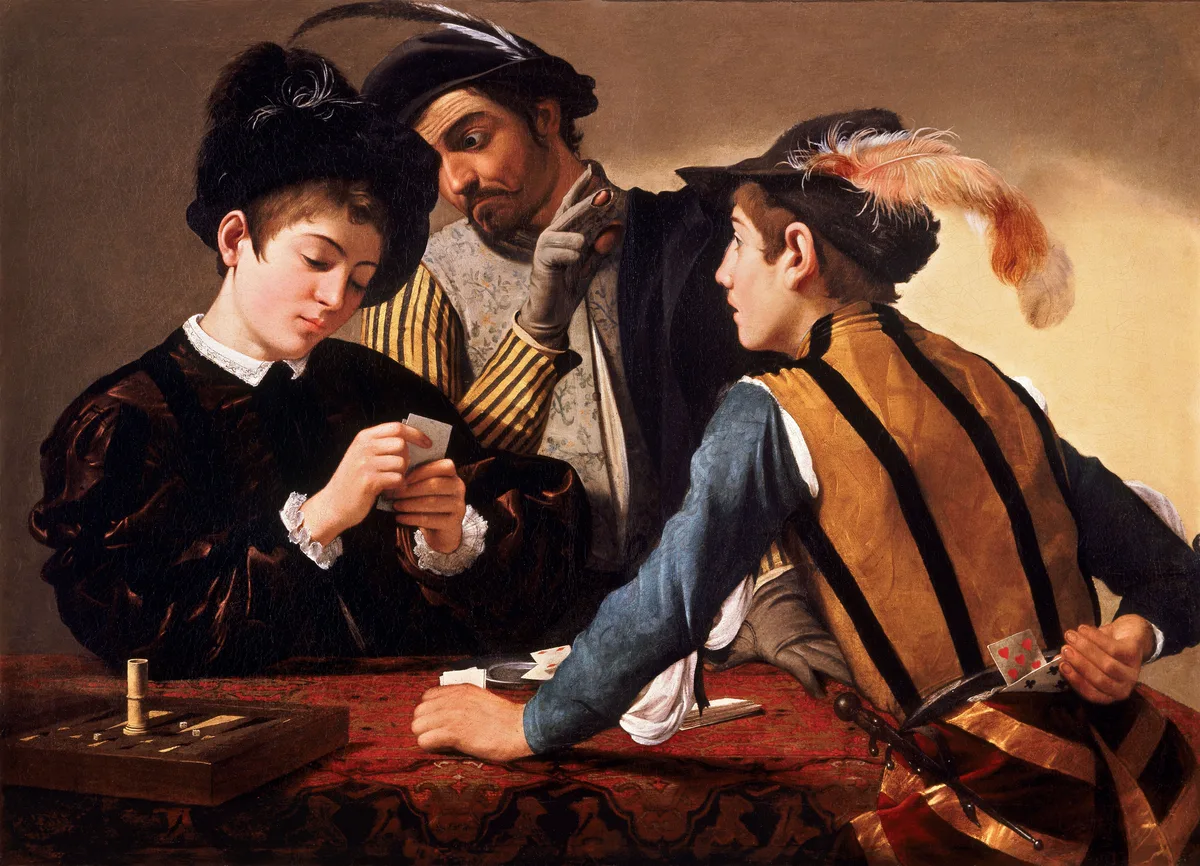
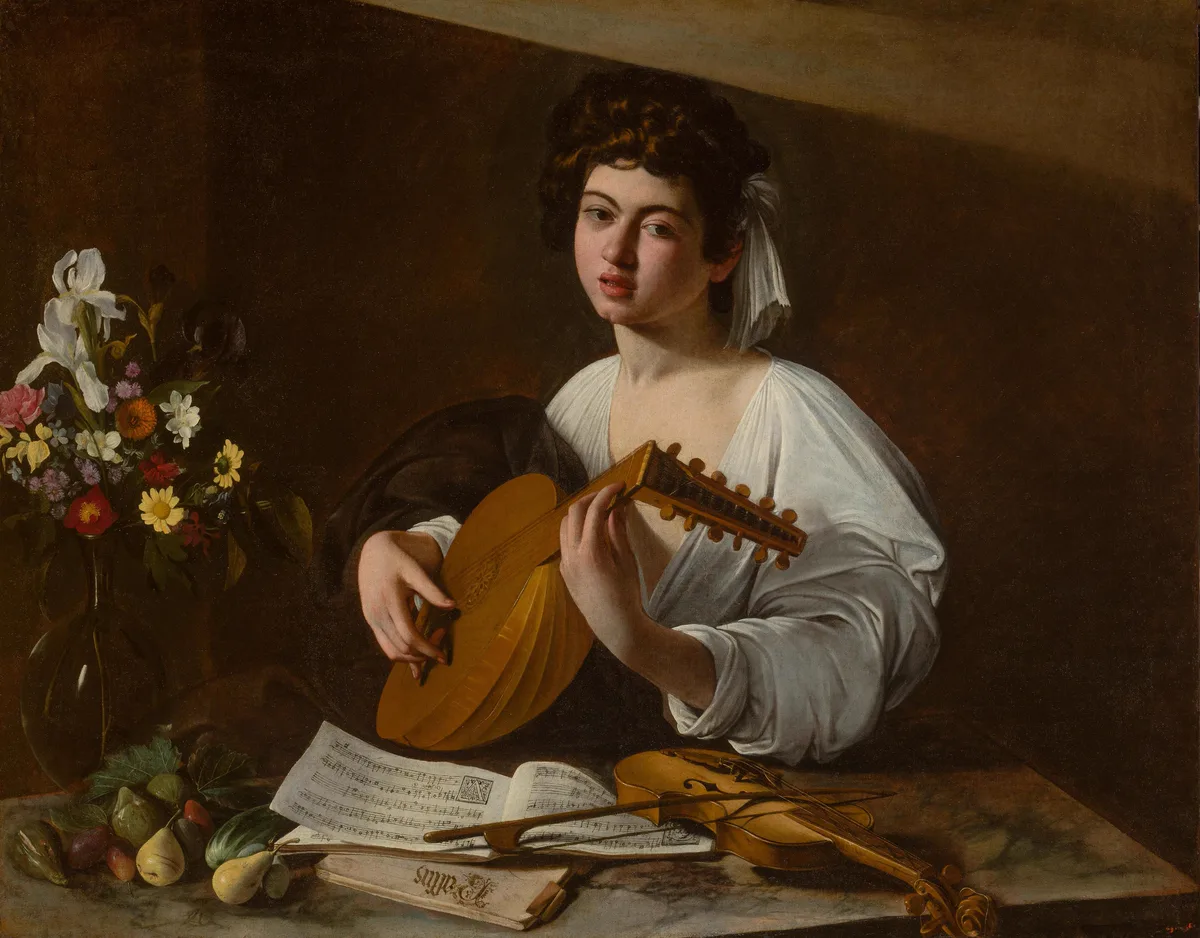
A long-running tribute to Caravaggio — the painter who dragged saints out of taverns and lit them with a single candle. A series of experiments around his life, his models, and the shadows he made his real subject.
Every scene of That's Life restages a Caravaggio. The originals, and the frames they became.
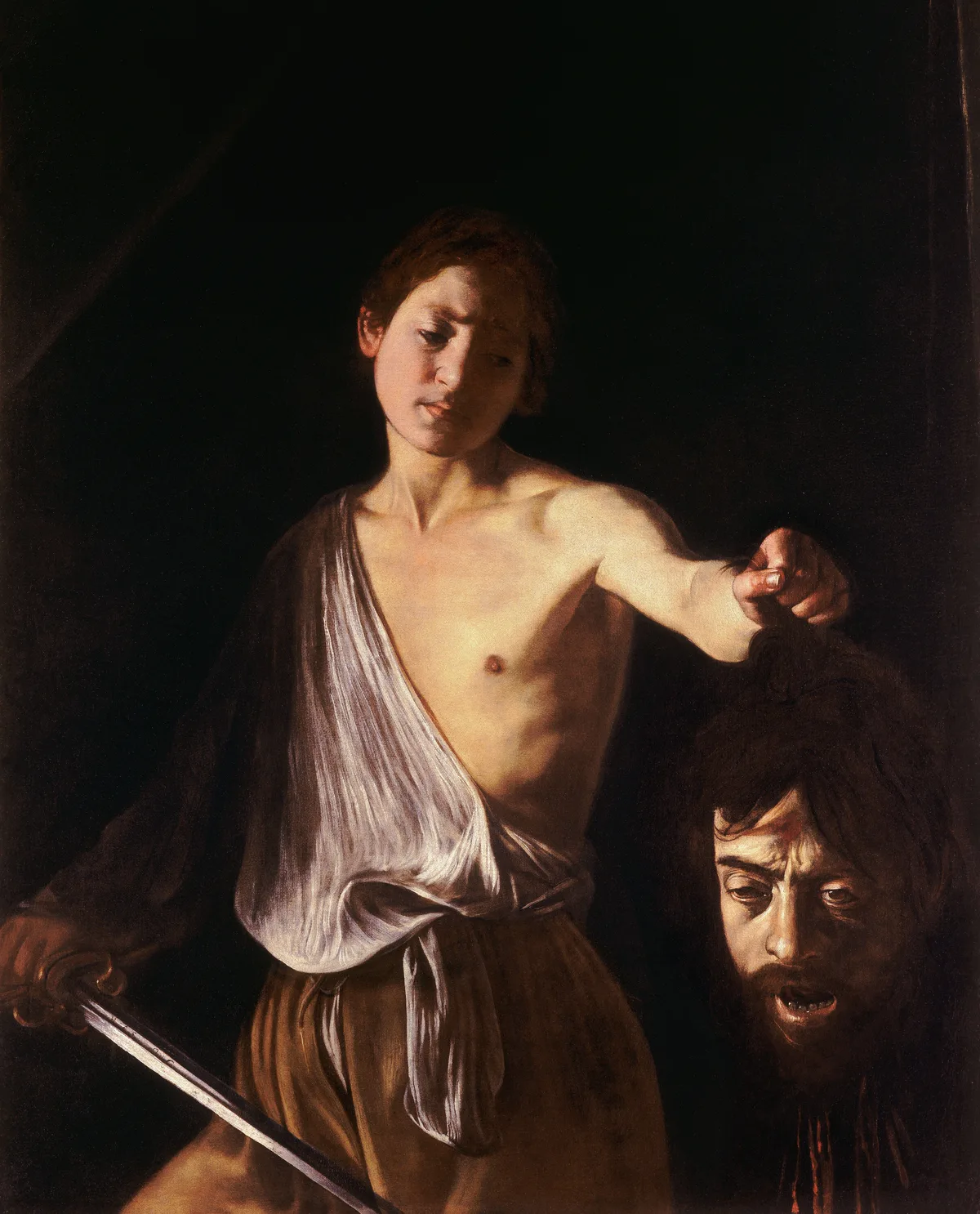
Michelangelo Merisi da Caravaggio (1571–1610) more or less invented modern painting by accident — by lighting his saints from a single candle and dragging the saints themselves out of Roman taverns.
By 1600 he is the most famous painter in Rome, fought over by cardinals. By 1606 he is a fugitive — death sentence on his head for killing a man in a sword fight. He flees to Naples, where he triumphs again. To Malta, where he is knighted, then thrown in prison after a new brawl. Escapes. Wanders Sicily. Returns to Naples where he is beaten, disfigured, left for dead.
Trying to sail back to Rome to beg his pardon, he dies of fever on a beach at thirty-eight — the pardon already in the post. The film above is a tiny homage to that ride: a life on a swing, all peaks and pits, no plateau.
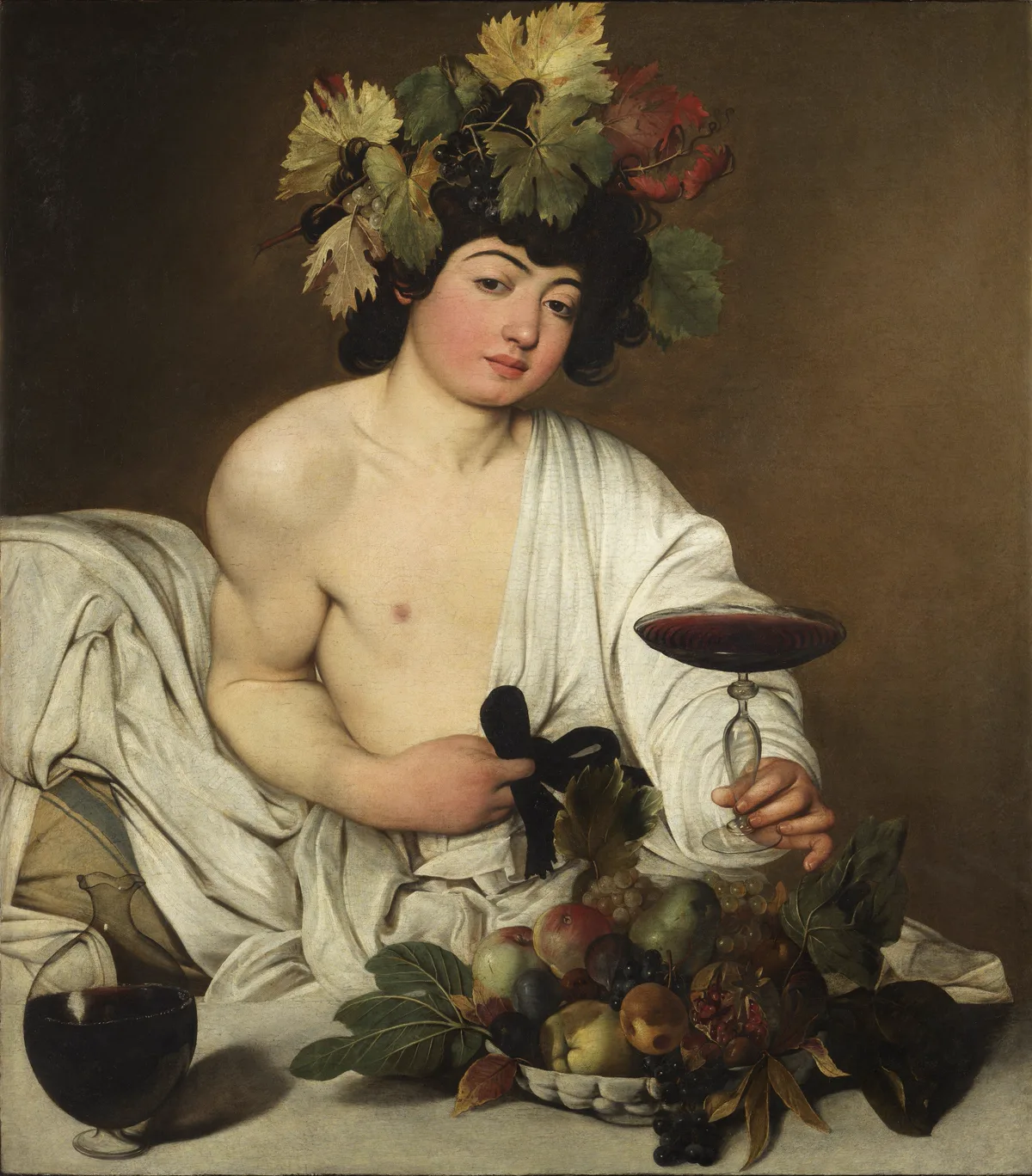
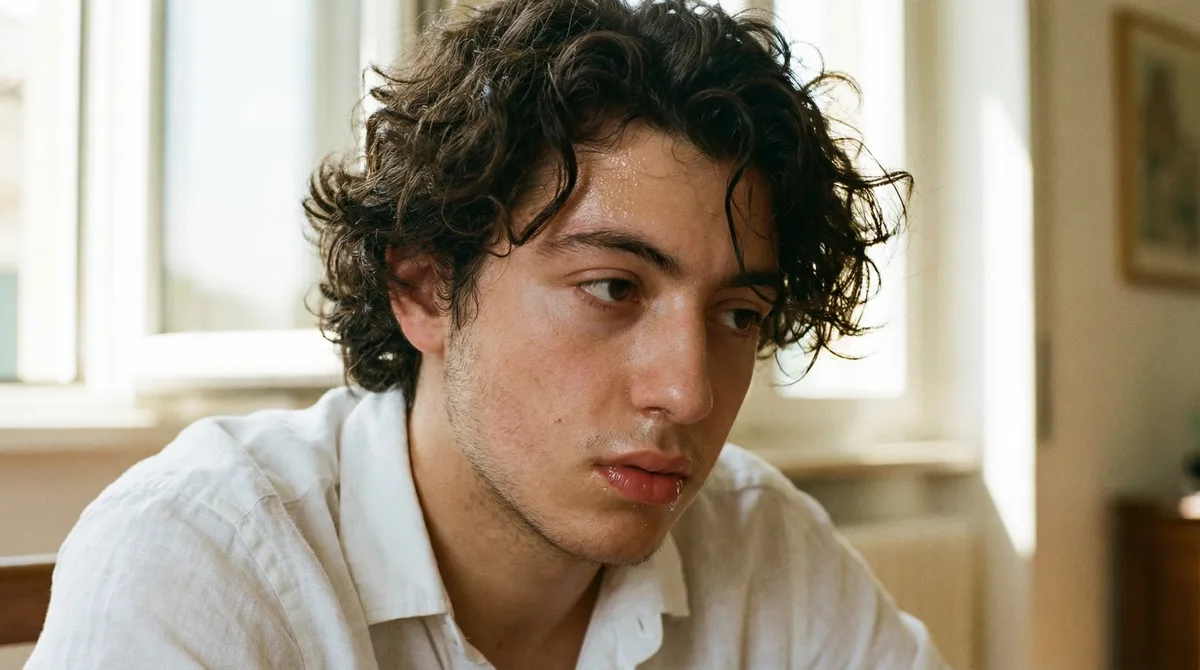
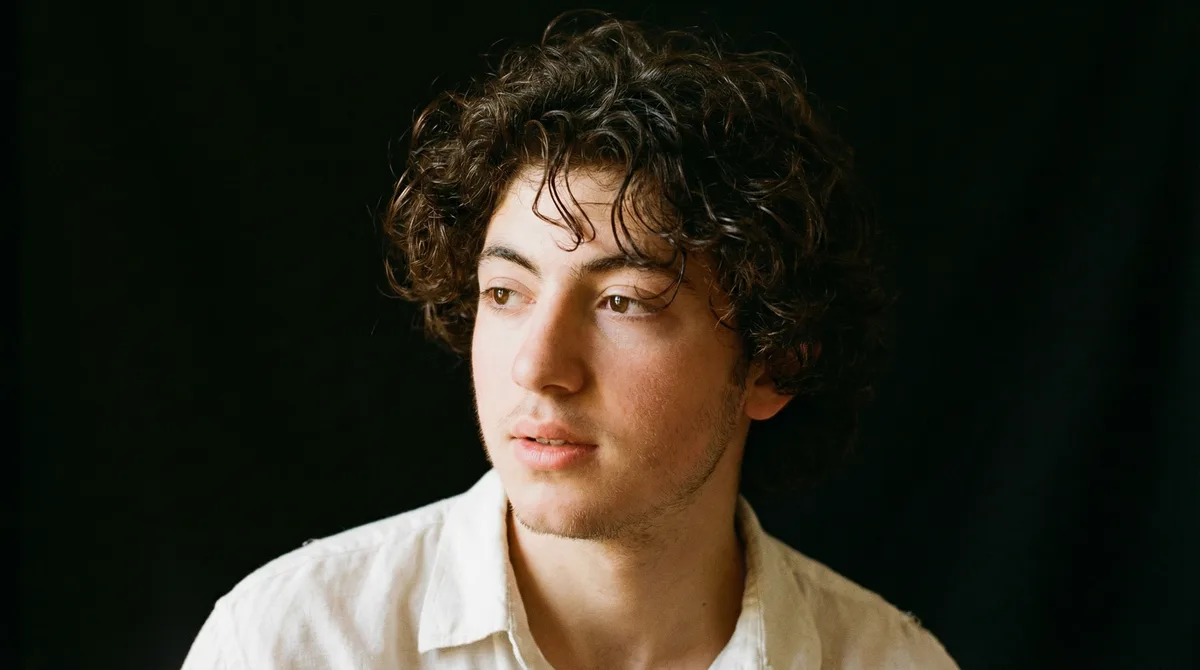
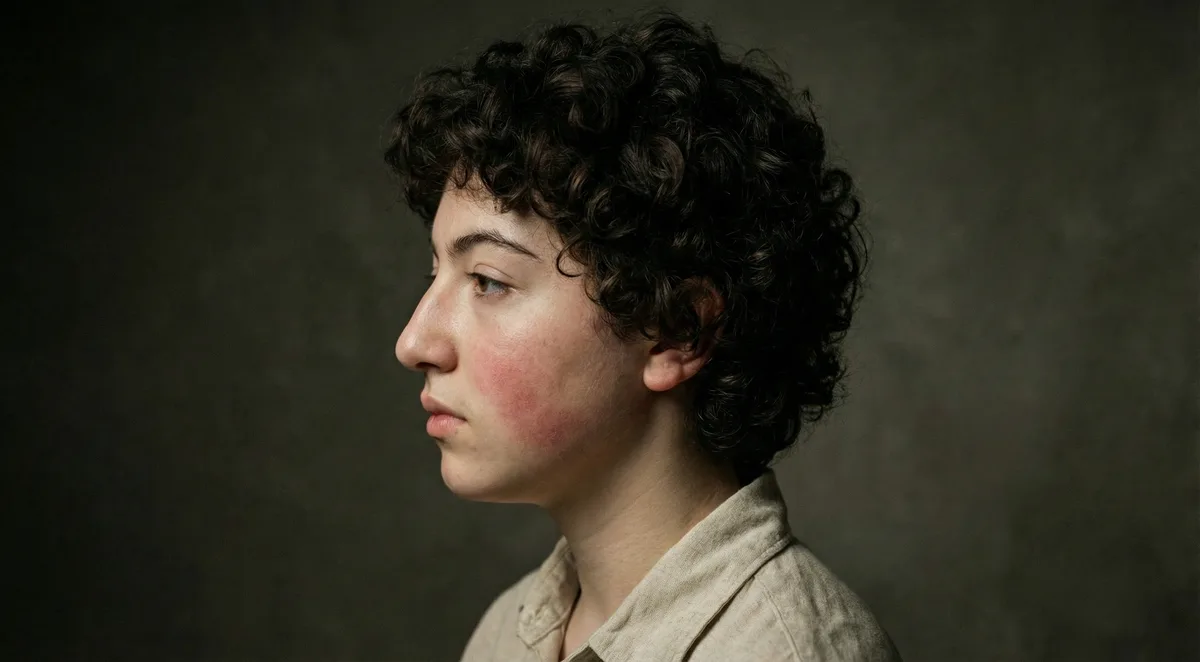
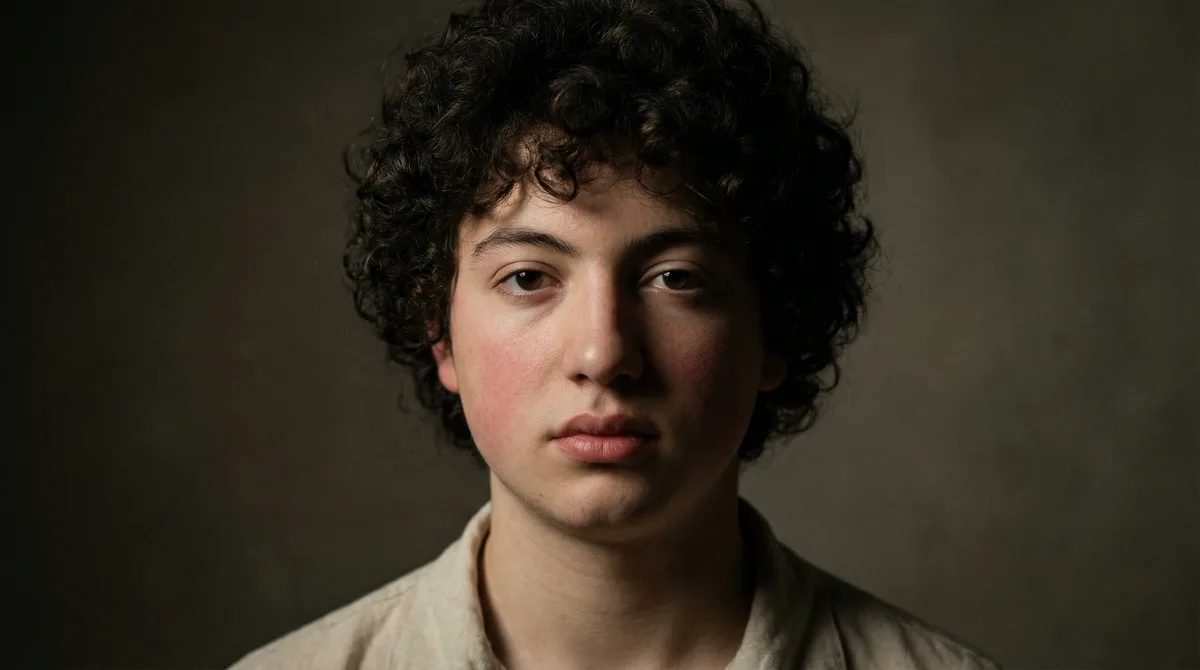
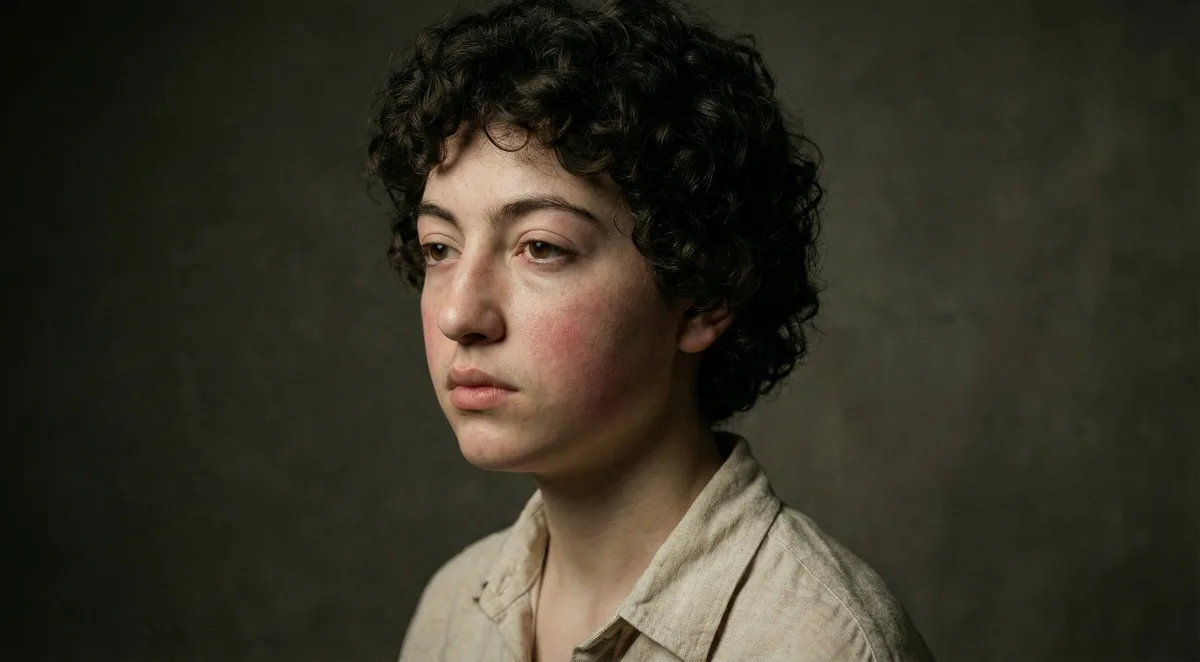
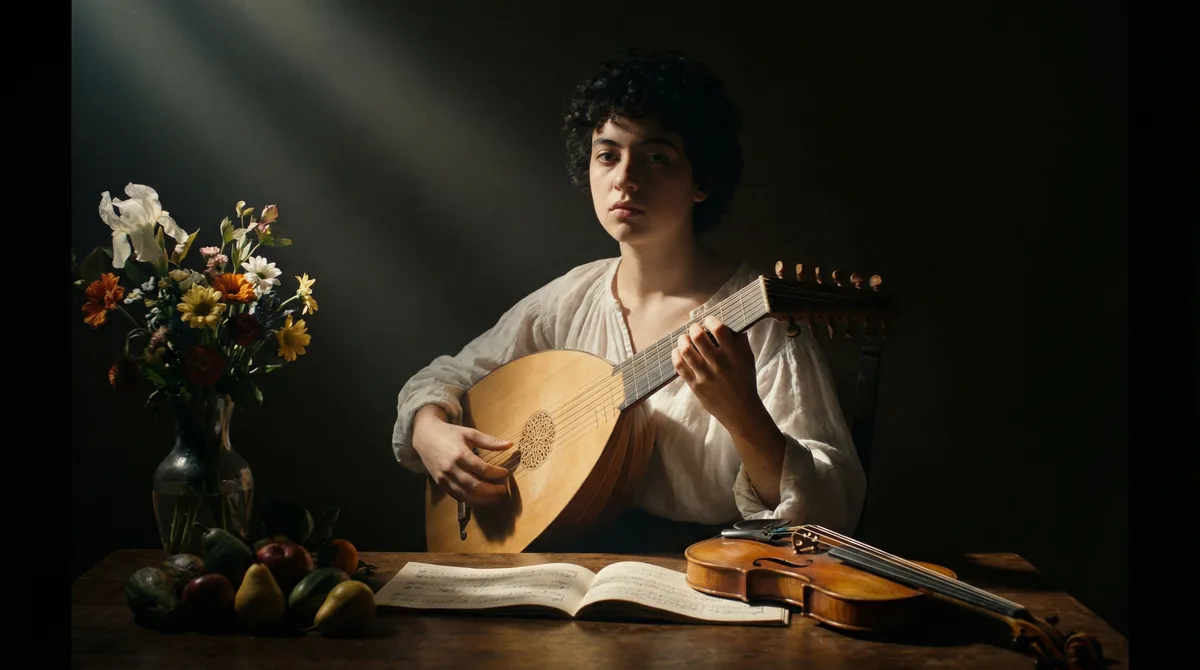
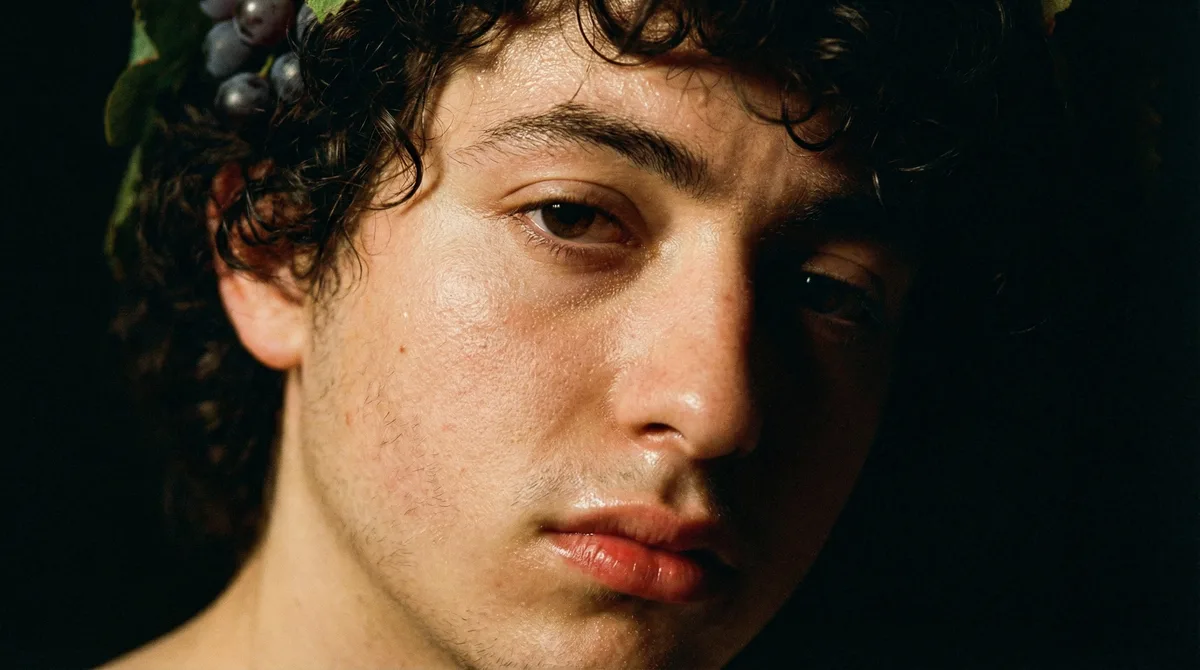
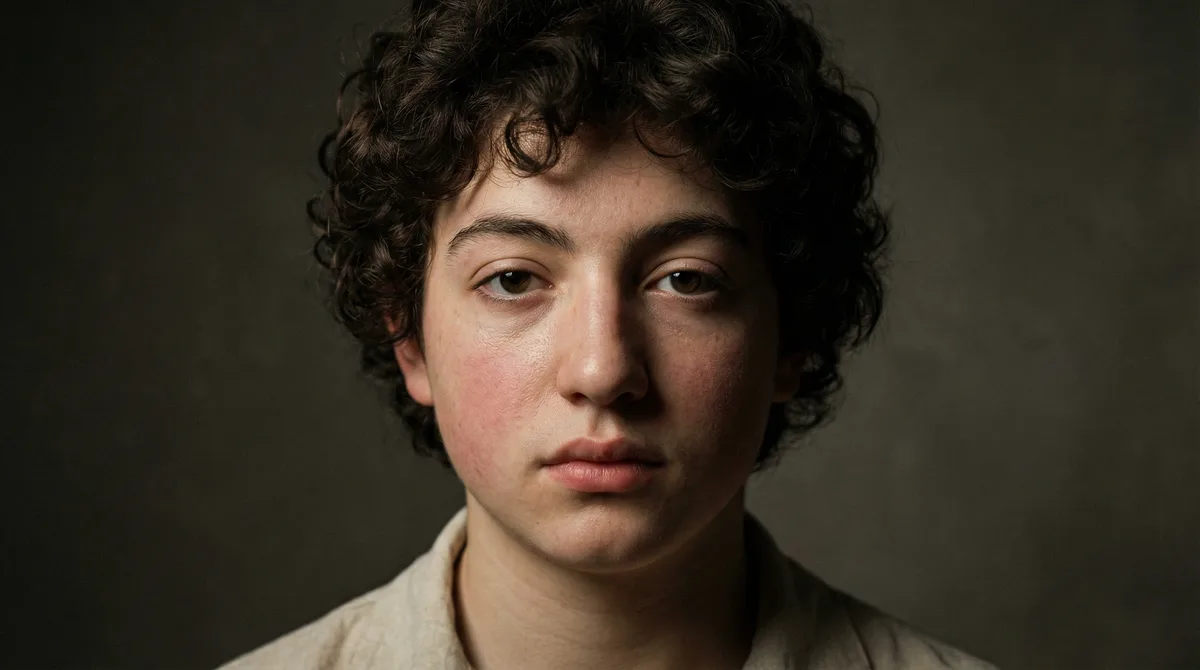
Caravaggio painted the same faces over and over — friends, lovers, models he picked off the street. Here I'm trying to pull them back out of the canvas: who they were on paper, and what they might have looked like in a photograph.
Sicilian painter. Met Caravaggio in Rome around 1592,
became his roommate, his sparring partner, his most reliable
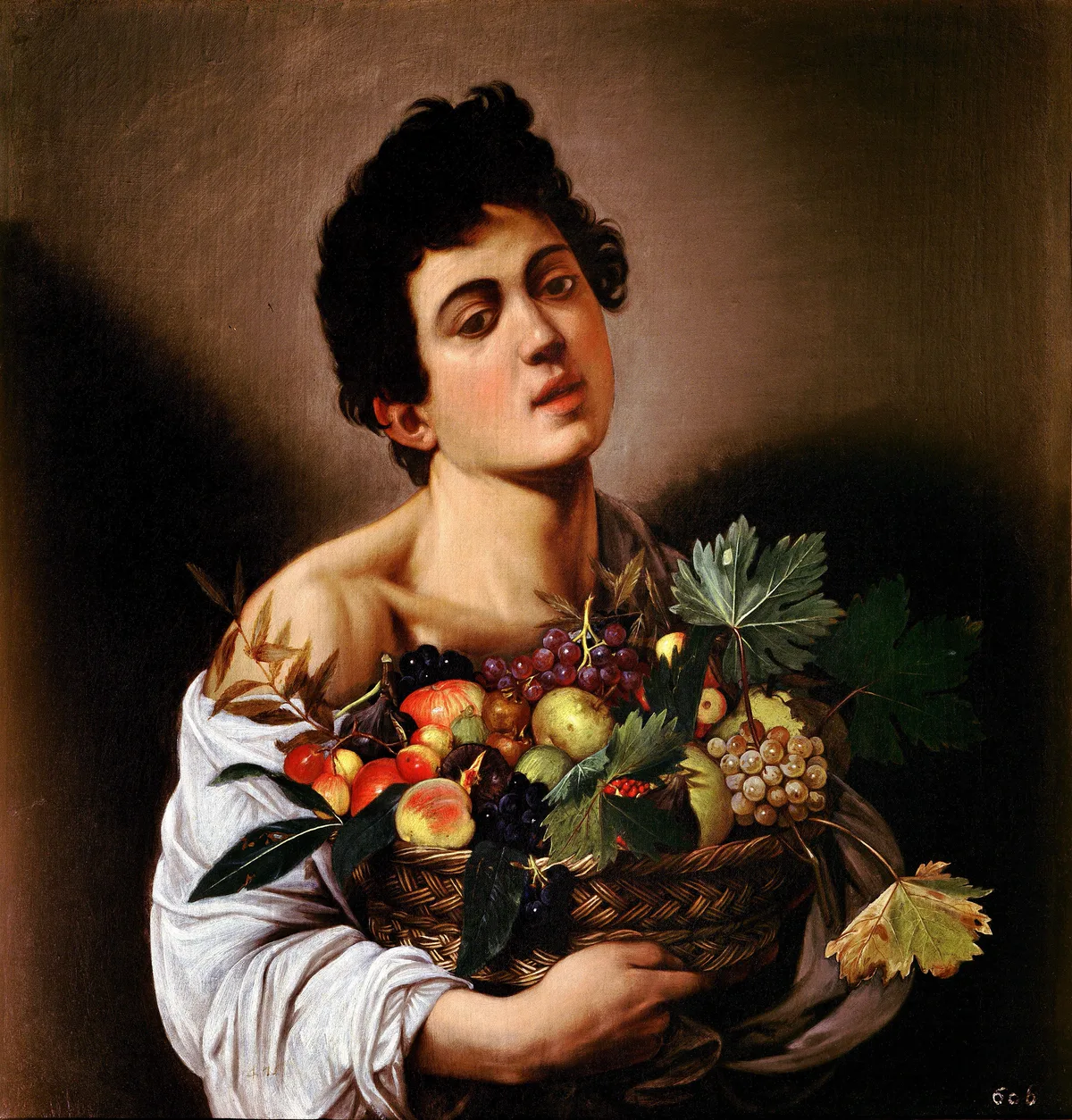
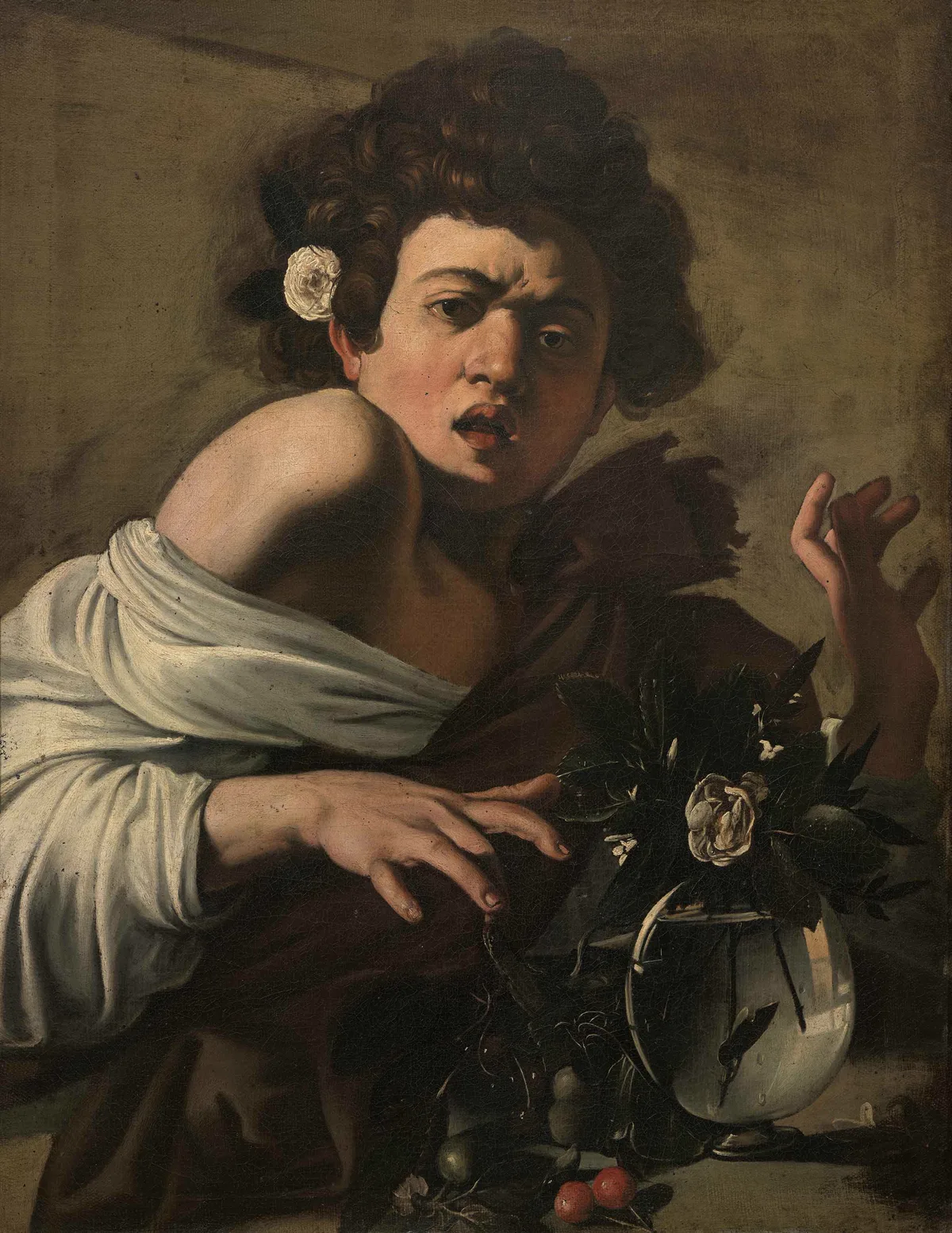
young model. The boy with the basket of fruit, the one bitten
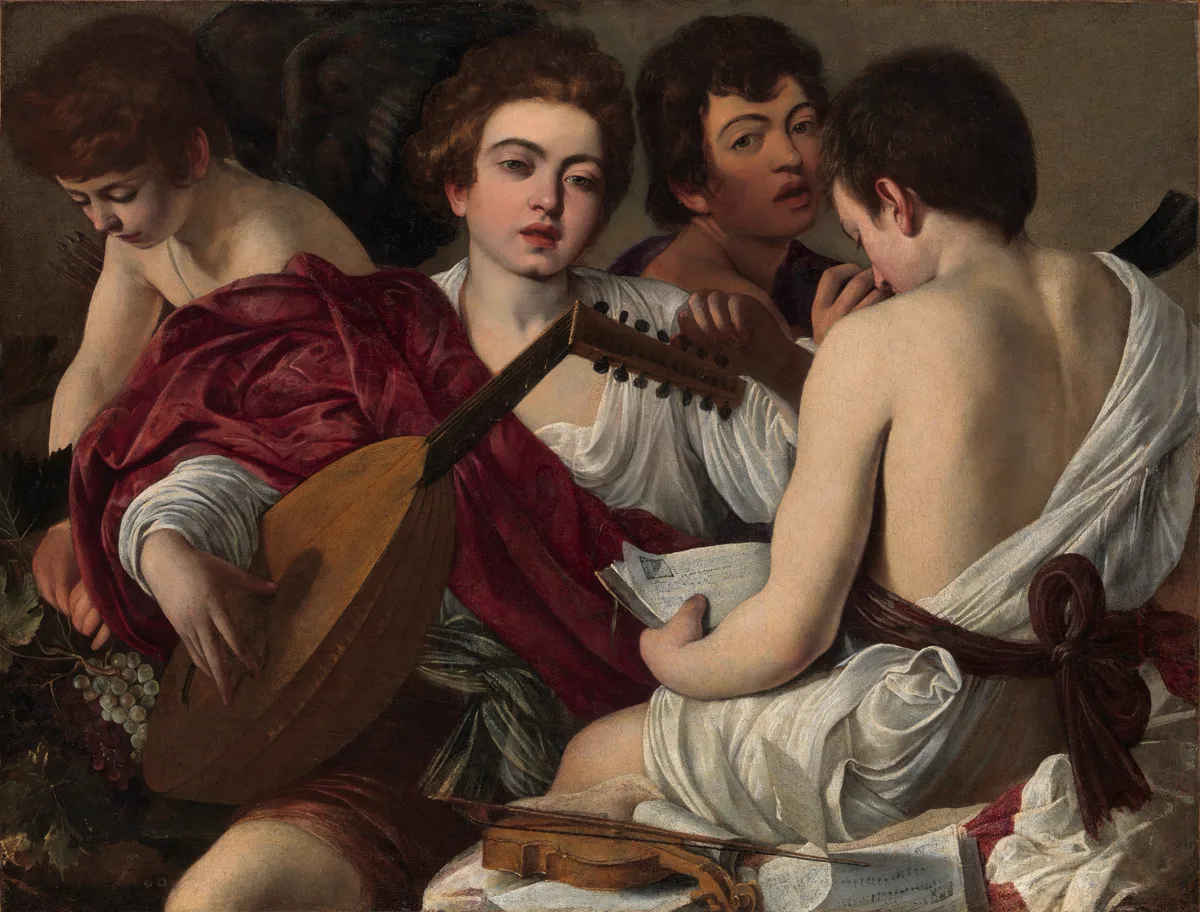
by the lizard, the lutenist in The Musicians, the
mark in The Cardsharps — all him. After the 1606
killing he too left Rome and built a quiet, respectable
career in Syracuse, where he later sheltered Caravaggio
during his Sicilian exile.
Brother, model, painter, witness.